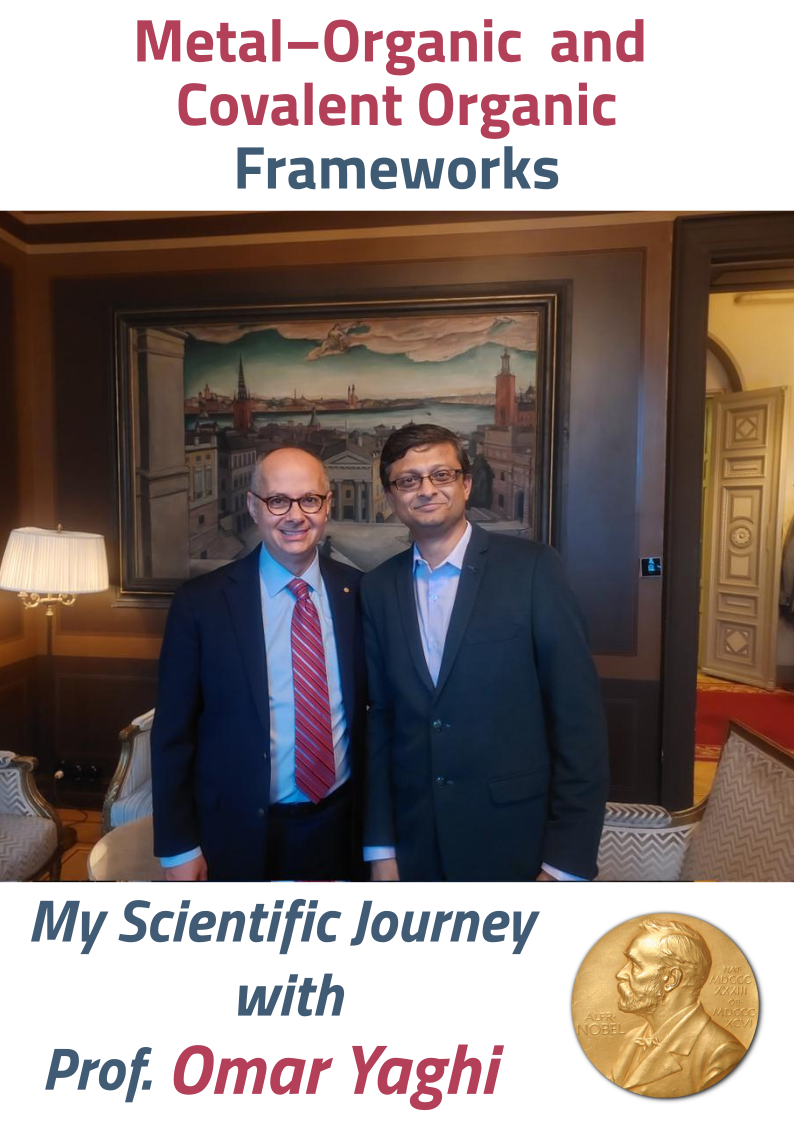
Metal–Organic Frameworks (MOFs), Covalent Organic Frameworks (COFs), and My Scientific Journey with Professor Omar Yaghi
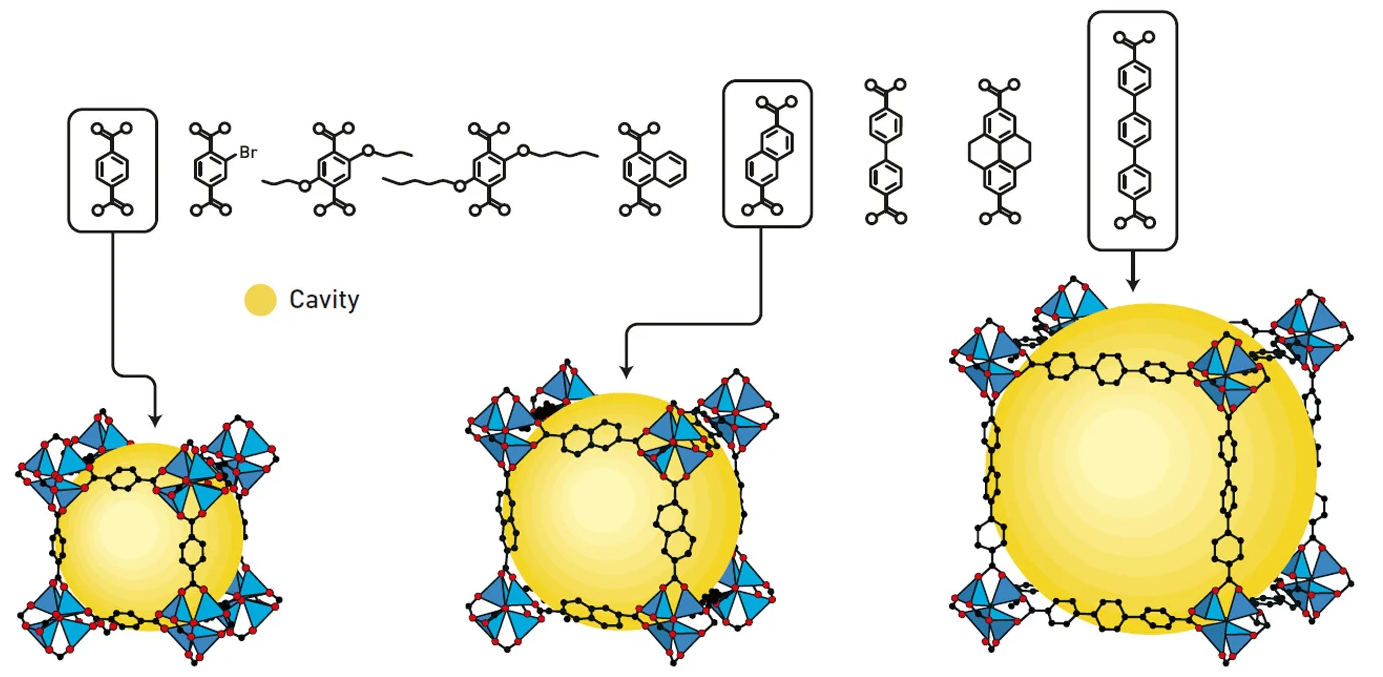
Metal–Organic Frameworks (MOFs) are a class of crystalline porous materials constructed from metal ions or metal clusters connected by organic linkers through coordination bonds. This modular “reticular” approach allows precise control over pore size, shape, surface chemistry, and functionality. As a result, MOFs possess exceptionally high surface areas and tunable architectures, making them uniquely suited for applications such as gas storage and separation, carbon capture, catalysis, sensing, drug delivery, and energy-related processes, including hydrogen storage and water harvesting. My introduction to MOFs dates back to 2005, during my PhD studies in structural chemistry under the guidance of Professor Gautam R. Desiraju at the University of Hyderabad. At that time, MOFs were still an emerging concept, unfamiliar primarily to researchers in India, including myself. Quite by accident, I came across a research paper by Professor Omar Yaghi describing these materials.
While I did not initially grasp the full chemical depth of the work, I was immediately drawn to the conceptual elegance of MOFs and the striking visual representations of their crystalline architectures. That single paper had a profound impact on me; it convinced me that I wanted to pursue postdoctoral research in this new class of materials and, more importantly, to work with the scientist who had pioneered them. Encouraged by my PhD mentor, I wrote directly to Professor Yaghi. To my surprise, he responded within hours, expressing interest in hosting me as a postdoctoral researcher, subject only to a recommendation letter. Shortly thereafter, I joined his group at the University of California, Los Angeles (UCLA) in August 2006. This marked not only my first time outside India, but also the beginning of an intense and formative phase of my scientific career.
At that time, Professor Yaghi was already recognized as a visionary scientist; however, MOFs themselves were far from being universally accepted. Many in the broader materials and chemistry community were skeptical, questioning the stability, relevance, and utility of these new porous frameworks. In contrast, Professor Yaghi had absolute clarity of purpose. His philosophy was uncompromising : research must be fundamentally original, conceptually transformative, and driven by long-term vision rather than short-term validation. He often said that a good paper should make readers feel, “I wish I had thought of this.” The working culture in his group reflected this philosophy. Long hours, relentless experimentation, repeated failure, and intellectual self-reliance were part of everyday life. Professor Yaghi believed strongly that students must find their own scientific paths through trial and error. His role as a mentor was not to provide ready-made solutions, but to ensure that one did not lose direction. This approach profoundly shaped my own thinking about research and mentorship. My work in the Yaghi group focused on Zeolitic Imidazolate Frameworks (ZIFs), a subclass of MOFs formed by the self-assembly of transition metal ions (such as zinc or cobalt) with imidazolate linkers. ZIFs combine the structural features of zeolites with the chemical tunability of MOFs, offering exceptional thermal and chemical stability. This research culminated in a publication that became a defining milestone in my career, laying the foundation for my long-term engagement with porous crystalline materials.
Over the years, MOFs have evolved from a niche curiosity to one of the most active and influential areas of modern chemistry. Their impact now extends across chemistry, materials science, physics, and engineering. When Professor Yaghi was awarded the Nobel Prize in Chemistry in 2025 for his pioneering contributions to reticular chemistry and framework materials, it felt like a natural and inevitable recognition of a vision he had articulated decades earlier, long before it had gained widespread acceptance. Building on my training in MOFs, my current research focus is on Covalent Organic Frameworks (COFs), which represent a complementary and equally exciting class of porous crystalline materials. Unlike MOFs, COFs are constructed entirely from light elements (such as carbon, nitrogen, oxygen, and boron) connected through strong covalent bonds. This results in fully organic, metal-free frameworks with long-range order, permanent porosity, and exceptional structural precision.
COFs offer several advantages : low density, high thermal stability, tunable electronic properties, and designable π-conjugated backbones. These features make them particularly attractive for applications in photocatalysis, electrocatalysis, energy storage, optoelectronics, molecular separations, and heterogeneous catalysis. My current work focuses on designing robust COFs with tailored pore environments and functional architectures, extending the principles of reticular chemistry into purely covalent systems. In many ways, COFs represent a natural evolution of the ideas first crystallized in MOF chemistry, retaining the emphasis on structural predictability and modular design while opening up new possibilities in electronic and photophysical functionality. The conceptual foundation laid during my time with Professor Yaghi continues to guide this work.
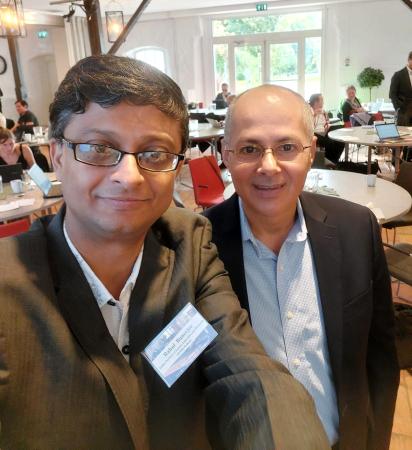
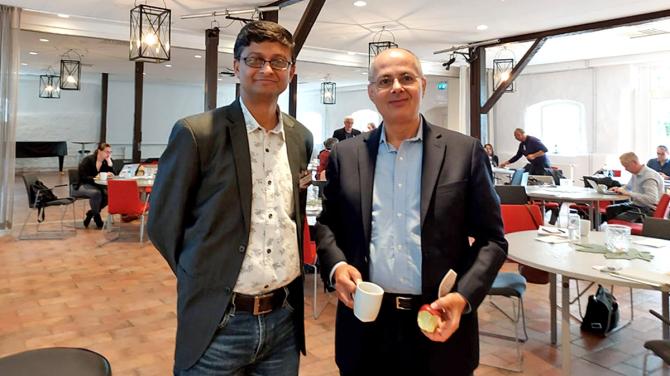
In 2023, I had the privilege of participating as the only scientist from India in a Nobel Symposium in Sweden, where Professor Yaghi was also present. During an informal conversation, I reminded him that I was the first student to complete a PhD or postdoc?PhD entirely in India under his supervision. His response “the first and the best” was delivered with characteristic warmth and generosity.
Even today, his intellectual energy and passion for science remain undiminished. My interaction with Professor Omar Yaghi has not only shaped my scientific trajectory but also influenced my philosophy as a researcher and mentor. The belief in bold ideas, perseverance in the face of skepticism, and commitment to intellectually honest, hard work continue to define my approach to science, which is now carried forward through my work on COFs and next-generation functional materials.
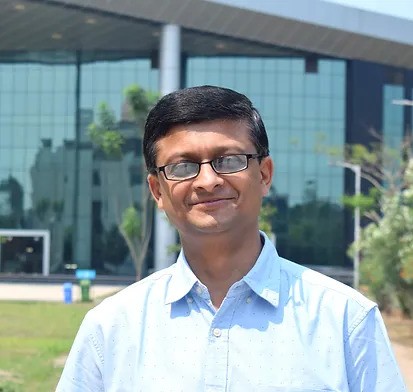
Prof. Banerjee is an organic chemist and a professor at the department of chemical sciences of the Indian Institute of Science Education and Research Kolkata. A fellow of the Royal Society of Chemistry, he is known for his studies in the field of Metal–organic framework designing.