Foreword For The Tenth Issue of InScight
Dept. of Biological Sciences, IISER Kolkata
It is a pleasure to introduce the tenth issue of InScight. In our first issue, in February 2025, I wrote about the 2024 Nobel Prizes and how they placed artificial intelligence (AI) at the centre of science. Ten issues later, the magazine has grown into a place where students and researchers from across the IISERs write for each other with care.
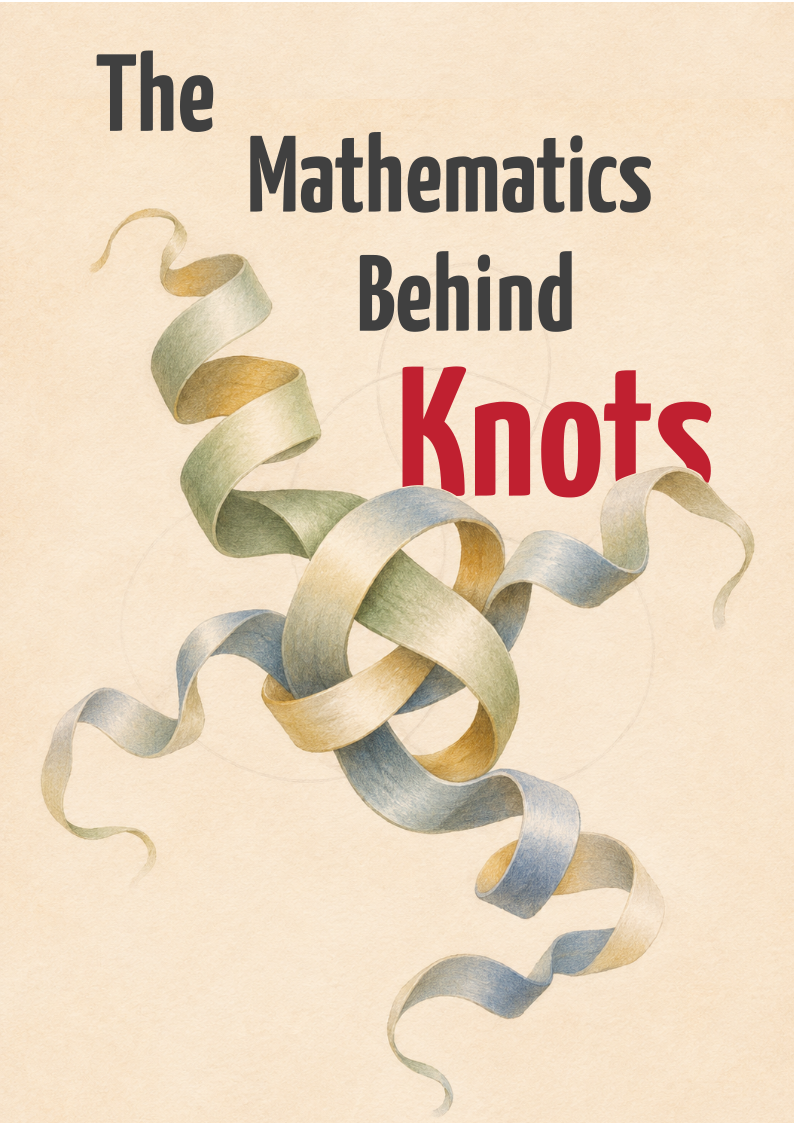
In his article Z is for Zeta, Bharath Krishna S from IISER Thiruvananthapuram explains why (1 + 2 + 3 + ⋯) does not really equal −1/12, and where that number actually comes from: the Riemann zeta function. Prof. Rama Mishra (IISER Pune) introduces the mathematics of knots and shows how it helps us understand knotted DNA, protein structure and even quantum computing. In an interview with Debanuj Chatterjee, Prof. Govind Agrawal (University of Rochester) shares his journey from a small town to the top of optics, with honest advice about failure, luck and hard work.
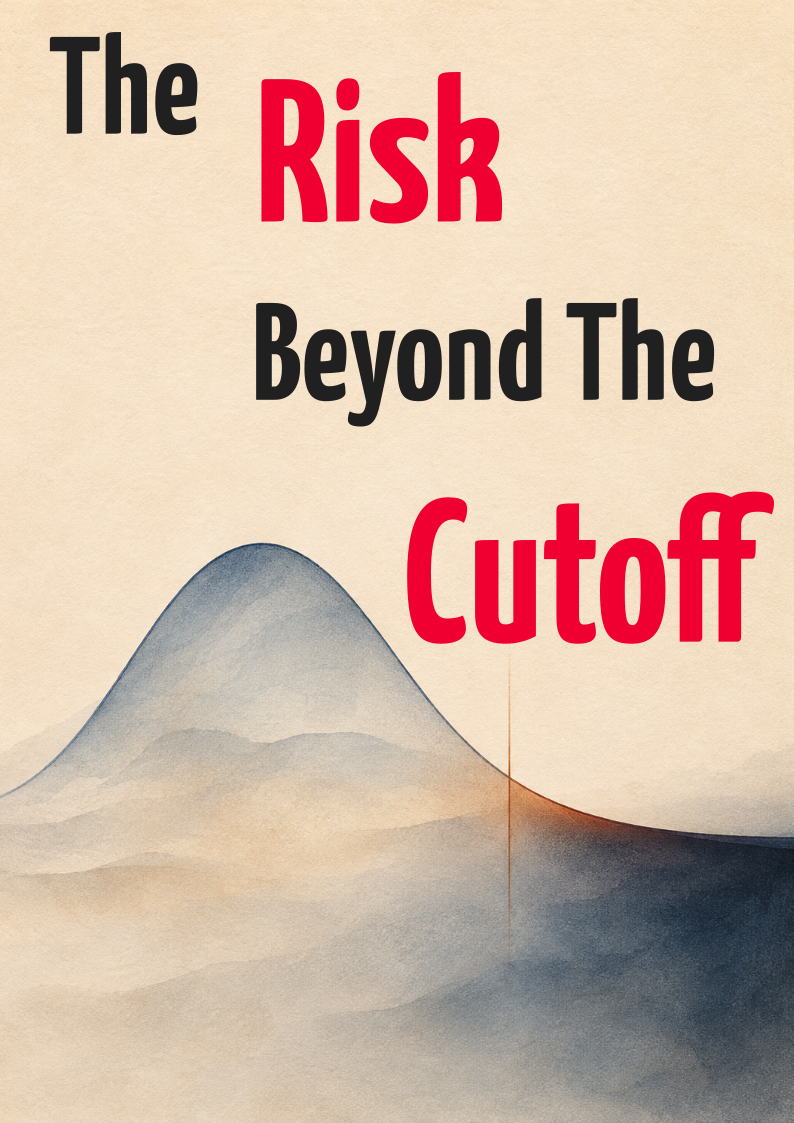
Dr. Arunima Banerjee (IISER Tirupati and IUCAA) explains why the spiral arms of galaxies do not wind up and disappear, and how machine learning now helps classify galaxies. Dr. Suparna Biswas (IISER Tirupati) shows where a common measure of financial risk falls short, and what better measures look like. The Insight Digest covers spin entanglement measured with X-rays, and how our daydreams affect attention. A crossword, a quiz and a puzzle round off the issue.
The rapid progress of AI in the last two years has not belonged to any one subject, and this issue showcases that paradigm. Knot theory describes what enzymes do to DNA, while an idea from statistics detects entanglement in a material. Similar ideas from information theory are now used, in my own group among others, to understand how biomolecules behave. Biology is where these connections may matter most, because living systems produce huge amounts of data whose rules we only partly understand. Real progress will necessitate biologists who are comfortable with mathematics and code, and computational scientists who respect real experiments.
The issue offers two good lessons. The zeta article reminds us that a convincing answer is not always a correct one, and the same holds for AI. The article on financial risk shows that a model can work well in ordinary cases and fail at the extremes. A prediction is not an explanation, and every AI-designed system must still be tested in the lab or in the real world. My advice to students is to build strong foundations: the tools will change every year, but the basic science behind them will not. As Prof. Agrawal’s story shows, chance favours those who are ready for it. I hope our readers will be ready to cross the boundaries between subjects.
My congratulations to the authors, reviewers and the student editorial team on an excellent tenth issue.